Few frustrations compare to struggling with the wrong tool when creating nail art. Whether you’re a seasoned pro or just starting, finding the perfect brush for nail design can make all the difference in achieving flawless results. The right brush lets you express your creativity effortlessly, helping you paint intricate patterns or smooth gradients with ease. Without it, even the best polish and ideas can fall flat.
In this article, we’ll explore the best nail design paint brushes available, how to select them, and ways to care for your tools. With expert guidance, you’ll be ready to elevate your manicure skills and bring every vision to life.
In this article:
Types of Brushes for Nail Design and Their Uses
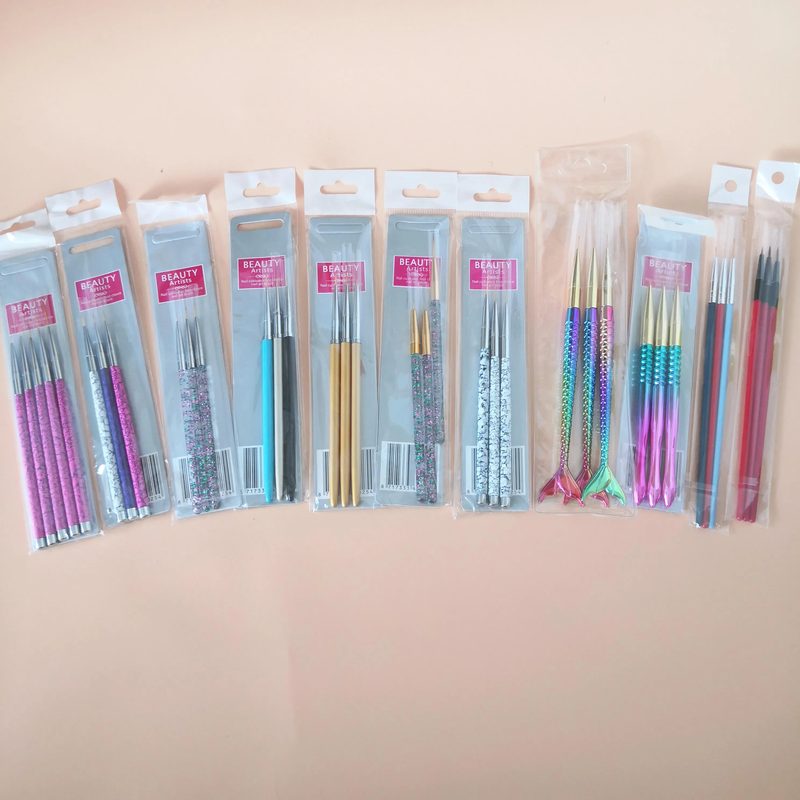
Understanding the variety of brushes for nail design is key to mastering nail art. Each brush shape and size serves a unique purpose, whether it’s crafting detailed lines or filling in broad areas. For instance, liner brushes are perfect for delicate strokes and intricate patterns, while flat brushes cover larger surfaces quickly.
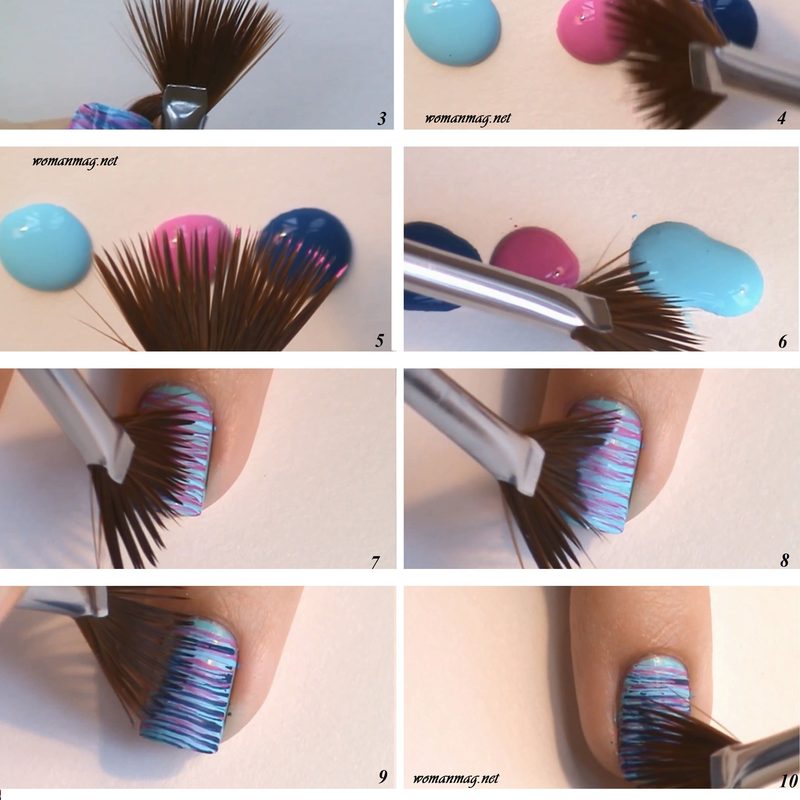
Detail brushes, often ultra-fine, allow precision work like tiny dots or floral designs. Fan brushes, with their spread-out bristles, create gradient effects or softly blend colors. Choosing the right brush type streamlines your process and enhances the quality of your finished look.
Experimenting with different brushes can unlock new techniques and elevate your creativity. Many artists keep a mix of nail art brushes to adapt to various styles and polish consistencies.

How to Choose the Right Brush for Nail Design
Picking the best brush for nail design involves several considerations like bristle material, handle length, and brush shape. Synthetic brushes work well with gel polish and acrylics because they hold up against solvents, while natural bristles provide a smooth finish with regular polish.
Additionally, a comfortable handle ensures better control during detailed work. Thinner handles often offer precision, but some artists prefer thicker grips for stability. Your personal style and the complexity of your designs should guide your selection.
Price is another factor; investing in quality brushes pays off in durability and performance. Reading reviews and trying sample sets can help you find brushes that suit your specific needs for both casual and professional use.
Maintaining and Cleaning Your Nail Design Paint Brushes
Proper care of your nail design paint brushes prolongs their lifespan and ensures consistent performance. After each use, clean brushes promptly using the appropriate remover for your polish type. Acetone works well for acrylic and gel, but can be harsh on some brushes, so gentle brush cleaners are recommended for regular polish.
Dry your brushes flat or with bristles facing down to prevent water from loosening the ferrule—the metal part holding the bristles. Avoid soaking brushes for extended periods to maintain bristle integrity. Regular conditioning with brush oil can also keep synthetic bristles flexible.
Investing time in upkeep means your brushes remain reliable tools, saving money and frustration in the long run. A well-maintained brush paints smoother lines and holds polish better.

Tips for Using a Brush for Nail Design Like a Pro
Mastering nail art involves more than just owning the right brush for nail design—it’s about technique. Start with minimal polish on your brush to avoid clumps and enable finer control. Steady hands and slow movements help create cleaner lines and intricate patterns.
Practice strokes on a plastic nail wheel before applying to real nails, especially for complex designs. Using multiple brushes for different details prevents color mixing and keeps your work sharp. Additionally, layering colors and cleaning your brush between strokes can add depth to your art.
Patience and persistence pay off. Following these tips will improve your brush handling, allowing your creativity to shine whether you’re designing simple accents or elaborate motifs.
Exploring Popular Nail Art Styles That Benefit from Quality Brushes
Certain nail art styles particularly benefit from a high-quality brush for nail design. For example, abstract art nail designs demand precise brush control to execute freeform shapes and lines, as seen in artistic trends. You can find inspiration in abstract art nail designs to elevate your style, where layered brushwork makes all the difference.
Floral and geometric patterns also rely on fine detail nail brushes to achieve crisp, intricate results. Meanwhile, gradient and ombré effects lend themselves to fan brushes or soft blending brushes, which create seamless transitions.
Exploring these styles with the right tools encourages experimentation and expands your manicure repertoire, perfect for seasonal updates or special occasions.
Frequently Asked Questions
What is the best type of brush for detailed nail designs?
Liner brushes with fine, pointed bristles are ideal for detailed nail designs. They allow for precise lines and intricate patterns, perfect for creating delicate art like flowers or fine stripes.
How do I clean brushes used for gel nail polish?
Cleaning gel nail polish brushes requires acetone or a gel brush cleaner. Soak the brush briefly and gently wipe off polish residue, then reshape the bristles and let dry flat to maintain brush integrity.
Can I use the same brush for different types of nail polish?
While possible, it’s best to use separate brushes for gel, acrylic, and regular polish to prevent contamination and ensure optimal performance. Different polish formulas can affect brush lifespan if mixed.
How often should I replace my nail design paint brushes?
Replace brushes when bristles become frayed, splayed, or lose their shape despite proper care. High-quality brushes can last months to years with maintenance, but frequent use may shorten their lifespan.
Are synthetic brushes better than natural brushes for nail art?
Synthetic brushes are more durable and resistant to solvents, making them suitable for gel and acrylic work. Natural brushes offer smoother strokes for traditional polish but require more delicate care.
Choosing the right brush for nail design is foundational to creating stunning manicures with ease and precision. From selecting the appropriate brush type to caring for your tools and mastering techniques, every step enhances your nail art experience. Start refining your brush collection today to unlock new levels of creativity and professional polish in your nail designs.